Your Table Is Ready at 9:15. Your Stomach Is Not.
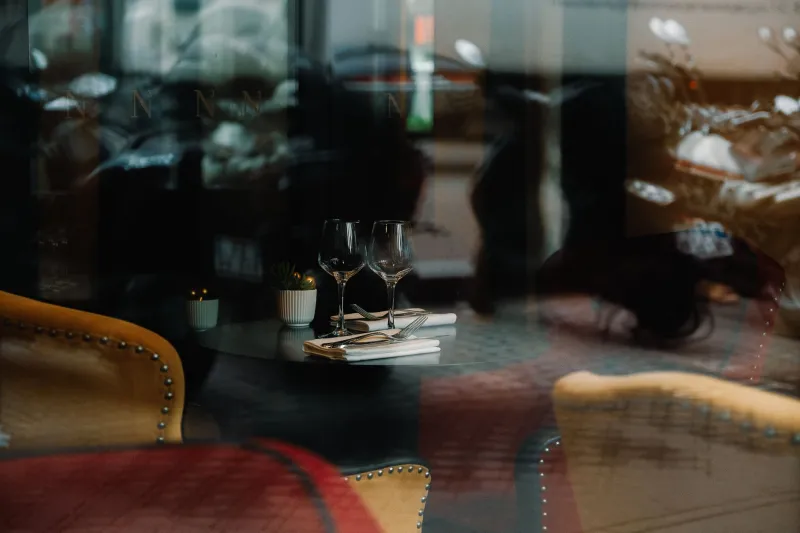
Somewhere between the second lockdown and the invention of the £9 small plate, Britain’s restaurant booking systems quietly declared war on the early eater. In 2026, trying to reserve dinner at 7pm feels like asking a maître d’ to adopt you. The screen offers 21:15, 21:30, or a solemn promise to join the waiting list — a digital purgatory where hope goes to be seasoned and left to rest.
Not every restaurant, obviously. But enough. Enough that booking a table has become a test of stamina rather than appetite. You are not a customer anymore. You are a yield-management problem in a nice shirt.
The booking screen has become a bouncer
It used to be simple. You rang, a human said the word “seven”, and you spent the rest of the afternoon looking forward to it. Now the booking platform behaves like a nightclub with a dress code. The 18:30 slots have vanished. The 19:00 sitting is a myth peddled to children. What remains is a late-night inventory of tables, each one accompanied by a deposit, a countdown and a set of terms and conditions longer than a tenancy agreement.
The message is clear: wanting to eat before 9pm is a personal failing. Perhaps a moral one. The early eater is treated as a walk-in with delusions, a person who has failed to embrace the city’s new rhythm. Never mind that the body has opinions. Never mind that some of us have jobs, trains, children, medications, or simply a profound desire not to eat a main course at the same hour we used to eat toast.
A deposit for the privilege of being inconvenient
The £20-a-head deposit is now standard, which is a fascinating development in a country that once considered asking for a card behind the bar to be an act of aggression. We are told deposits protect against no-shows. Fair enough. Restaurants have been burned. But the deposit has also become a little toll booth on the road to dinner, a non-refundable reminder that you are lucky to be considered.
And then there is the two-hour window. Two hours to order, eat, converse, digest and leave before the next wave arrives. It is not dining; it is a relay race with gravy. You can almost hear the timer start when the bread lands. Dessert becomes a decision made under mild duress. Coffee is a rumour. The bill arrives while you are still chewing, presented with the tenderness of a parking ticket.
Kitchen closes at 20:45, hope dies at 20:46
My favourite development is the signage. KITCHEN CLOSES AT 20:45. Not 21:00, not 22:00 — 20:45, a time so specific it feels personal. You picture the chef standing by the pass, coat off, keys in hand, watching the door like a bouncer at a provincial airport. Come at 20:50 and you are not a diner; you are an intruder with a fork.
This is the strange contradiction at the heart of it. Restaurants close their kitchens earlier than ever while offering tables later than ever. The result is a compressed window in which everyone is expected to perform enthusiasm. You arrive at 21:15, order by 21:25, eat by 21:50, and are gently encouraged to vacate by 23:15 so the staff can go home and the room can be reset for brunch. It is hospitality as a timed trial.
Who exactly is winning here?
There are legitimate pressures. Rents are absurd. Staffing is difficult. No-shows are expensive. Dynamic pricing and late-only tables are not acts of pure malice; they are the maths of a fragile industry trying to survive in a country that still talks about restaurants as if they were public services. Operators need to maximise covers. They need predictable revenue. They need to stop people booking three tables and choosing one on the night.
But somewhere in the spreadsheet, the customer became an inconvenience to be managed rather than a guest to be fed. The early eater is not asking for a discount or a standing ovation. They are asking for a plate of food at a reasonable hour. In return, they are offered a 21:15 slot, a card payment link and the faint suggestion that they should be grateful for the privilege.
Small rebellions for the early eater
All is not lost. The early eater still has options, though they require a certain guerrilla spirit.
- Lunch is the new dinner. Not revolutionary, but reliable. A long lunch on a Saturday can do everything a late dinner does, only with better light and less shouting.
- Sit at the bar. Counter seating often escapes the booking algorithm. Turn up at 17:45, look mildly harmless, and ask for two seats rather than a table. It works more often than it should.
- Phone the restaurant. Not the booking platform. The restaurant. Ask for the first sitting, not an early table. Language matters. “First sitting” sounds professional; “6:30pm” sounds like a cry for help.
- Use the kitchen-closing time as a filter. If a place stops serving at 20:45, it has told you exactly who it is. Believe it.
- Embrace the pub, the café and the neighbourhood spot. They may not have a dynamic pricing model, but they will feed you before the streetlights come on.
The last word: pass the bread at 18:30
So thank you, restaurant industry, for protecting me from the horror of eating before darkness. Thank you for the deposit, the countdown and the two-hour window. Thank you for teaching me that dinner is not a meal but a late-night event I am lucky to attend.
I have taken up pre-dinner toast. I have learned to call 21:15 “the new seven”. I have become mock-grateful, faintly hungry and quietly radicalised about tea time. But I still believe in a Britain where a person can sit down at 18:30, order a main course, and be treated neither as a hero nor a hazard. Just a diner. With a napkin. And a reasonable chance of being home before the news.