Nobody Move: How the British Queue Became a Hobby, a Status Symbol and a Day Out
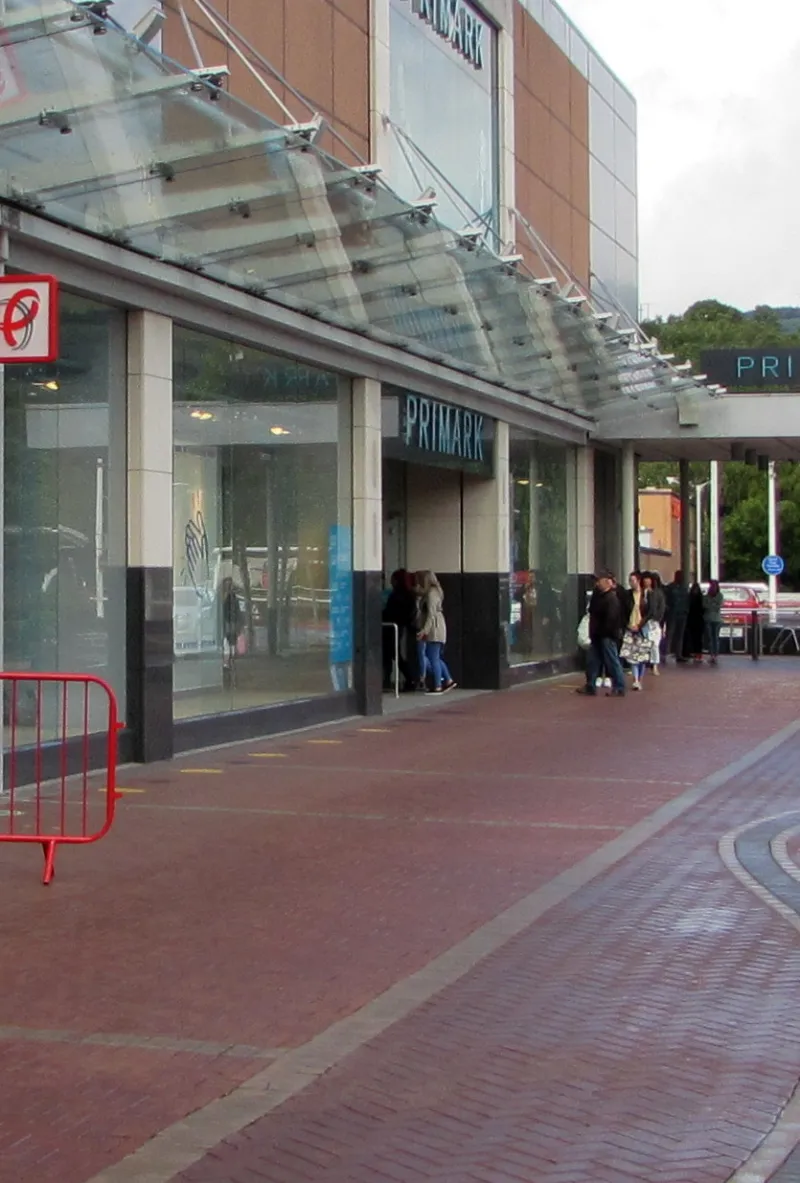
Photo: Jaggery , CC BY-SA 2.0, via Wikimedia Commons
There was a time when queueing was simply the price of admission to something better: a concert, a bus, a doctor’s appointment you would eventually be told to rebook. You stood. You shuffled. You stared at the back of a stranger’s anorak. It was not fun, but it was functional. Then Britain looked at the queue and thought: what if this were a lifestyle?
Today the queue is not just a line. It is a place to be seen, a test of character, and, increasingly, the main event. People travel across London for a bakery pop-up that will sell out before they reach the door. They join waiting lists for trainers they will not wear. They queue for a queue because the queue for the actual queue was too long. Somewhere along the way, standing still became a hobby. And like all hobbies, it has developed etiquette, equipment, and people who take it far too seriously.
The rope line as social club
The modern British queue is a curious thing. It is a temporary community bound by nothing except a shared willingness to be mildly uncomfortable in public. You arrive alone. Within twenty minutes you have learned the life story of the person in front, the dietary requirements of the person behind, and the exact reason the person two places ahead is furious with the council. It is a village fete with worse seating.
There is also a hierarchy. The amateur queue stands where instructed and checks their phone every four seconds. The intermediate queue brings a book. The advanced queue brings a folding stool, a thermos, and a quiet sense of moral superiority. The expert queue brings nothing at all and simply enjoys the waiting. They are the monks of the rope line.
And because it is Britain, the queue must be performed correctly. You do not ask how long it will take unless you are prepared for a wildly inaccurate answer. You do not leave to find a toilet unless you have secured a place-holder and a sworn statement from two witnesses. You do not, under any circumstances, suggest that the queue might be unnecessary. The queue is not a delay. The queue is the point.
Etiquette is the game
The rules are unwritten, which is convenient because it means nobody can be held responsible for them. But they exist.
- Never join a queue without first establishing what it is for. This is not always possible. Sometimes you join because everyone else has.
- Do not stand too close. The correct distance is approximately one small dog, or two awkward apologies.
- Do not make eye contact with the person who is clearly about to give up. They are a warning, not a friend.
- If you have a bag, keep it out of the shins of those behind you. The queue is a collective suffering, not a personal obstacle course.
- When the person at the front is finally served, do not cheer. This is not a sport. Except, increasingly, it is.
There is also the performance of patience. The queue is where Britain practises its national talent for pretending everything is fine while quietly seething. You sigh. You shift your weight. You look at the sky as if it has personally let you down. You check the time and then check it again, as though the first check was a rehearsal. You do not complain out loud, because complaining is gauche, but you do radiate a low-level hum of resentment that everyone else recognises and respects.
The performance of patience
The odd thing is that the queue has become a source of identity. People boast about queues the way they once boasted about holidays. I was in the first hundred for the pastry. I queued five hours for the trainers. I once waited outside a bookshop at dawn for a signed edition and the author did not even turn up. These are not complaints. They are credentials.
Part of this is because the queue is one of the few places where Britain still feels like Britain. It is orderly. It is fair, in a deeply unfair way. It is a shared experience that does not require conversation or enthusiasm. You can stand in a queue for ninety minutes and exchange no more than a nod with the person beside you, and yet you leave feeling that you have participated in something. You have not, really. But the feeling is there.
The other part is that the queue has become content. A long queue is proof that the thing is good. A very long queue is proof that the thing is exceptional. A queue that wraps around a building is a marketing department’s dream. We have reached the stage where the queue is photographed more often than the product. The pastry is eaten in thirty seconds. The queue is posted on Instagram.
A field guide to the modern queue
If you find yourself in a queue this autumn, here is a short survival guide.
The airport security queue. The classic. Everyone is in a bad mood, everyone is wearing shoes they cannot easily remove, and at least one person is surprised by the liquids rule. This queue is not fun, but it is useful. It reminds you that patience is a temporary state, not a virtue.
The limited-edition trainers queue. Usually begins at 5am and consists of people who claim they are not collectors. They are collectors. The queue is the only part of the process that feels like an achievement.
The pop-up bakery queue. The pastries are good. The queue is better. You will spend more time queueing than eating, and you will tell people about it for weeks. This is not a criticism. It is simply the truth.
The event nobody can quite remember booking queue. You have tickets. You are not sure what for. You are not sure who you are with. But you are here, and you are in a queue, and that is enough.
The queue as a way of life
The queue has become a hobby because it offers something modern life rarely does: a clear goal, a defined social role, and a reason to be outside without having to look like you are enjoying yourself. It is a low-stakes adventure. It is a way to fill a Saturday. It is, frankly, cheaper than most hobbies and considerably less embarrassing than having a personality.
But let us not pretend it is noble. The queue is not a sign of British grit. It is a sign that we have run out of better things to do and have decided to make a spectacle of waiting. Still, if you are going to stand in line for ninety minutes, you might as well enjoy it. Bring a book. Wear comfortable shoes. And remember: the person behind you is not your enemy. They are simply your next replacement.